
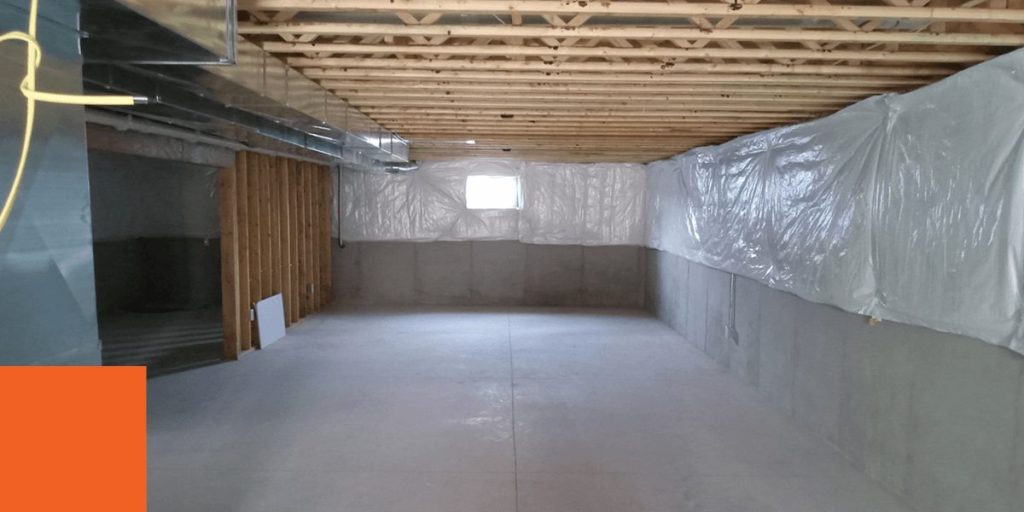
Since most sump pumps rely on electricity to pump excess water from the sump basin, they stop working when the power goes out. If this happens during a storm, the groundwater pressure will continue to rise, forcing water into the sump basin. Without a functional pump, the excess water overflows onto the basement floor. Depending on the intensity of the rain, it can take between a few minutes and some hours for your basement to flood.
To protect your home from flooding and water damage, you need robust basement power outage protection to keep your basement dry. Let’s explore some options for basement flood prevention in your Rhode Island home.
How to Prevent Flooding When the Grid Goes Down
When there’s a power outage, and your sump pump stops working, you can take the following measures to prevent flooding:
- Deploy a high water alarm: This tool helps you detect basement flooding early enough to act.
- Turn on a generator: A backup generator keeps your sump pump running for extended periods during a power outage.
- Install a battery backup sump pump system: With a battery-powered backup sump pump installed, your basement stays dry even when the primary pump is out of service.
Simple Testing to Prevent Storm-Related Flooding
To ensure your flood prevention systems are reliable when you need them the most, it’s crucial to conduct simple and regular tests, including:
- Backup systems test: Before the storm season begins, simulate a basement flood by pouring a few buckets of water into the sump pit. This exercise checks whether the battery backup sump is functioning properly.
- High water alarm test: Regularly place your high water alarm sensor into shallow water pans to test its functionality.
Your Emergency Action Plan: What to Do If Water Starts Rising
Follow this emergency action plan if your basement starts flooding during a power outage:
- Prioritize safety: Water and electricity are a dangerous combination. If the water has risen to the level of electrical outlets and appliances, it’s best not to enter the basement — a sudden power surge poses a high risk of electrocution. If you can safely access the main electrical panel, turn off power to the basement.
- Manually remove water where possible: After successfully turning off the power, you can attempt to begin removing water from the basement if it’s safe to do so. You can use buckets, mops, towels or a hand-operated pump.
- Contact professionals: Manually bailing the water is a short-term measure that buys you time. However, it doesn’t fix the damage. For that, you’ll need professional extraction and dehumidification to prevent mold, and that’s one of our areas of expertise at Rhode Island Restoration.
Contact RI Restoration for Total Recovery and Insurance Support
Rhode Island Restoration is your local IICRC-certified, insured and licensed contractor, offering 24/7 comprehensive sump pump backup solutions in Rhode Island. We don’t wait for the storms to clear or power to be restored. We deploy truck-mounted extraction units and gas-powered generators to extract water and dry your property.
We also partner with Performance Adjusting to properly document any damage caused by the power outage, distinguishing between flood and sump pump damage. This partnership is crucial to help you maximize your insurance claim. Contact Rhode Island Restoration today for expert, professional help.


